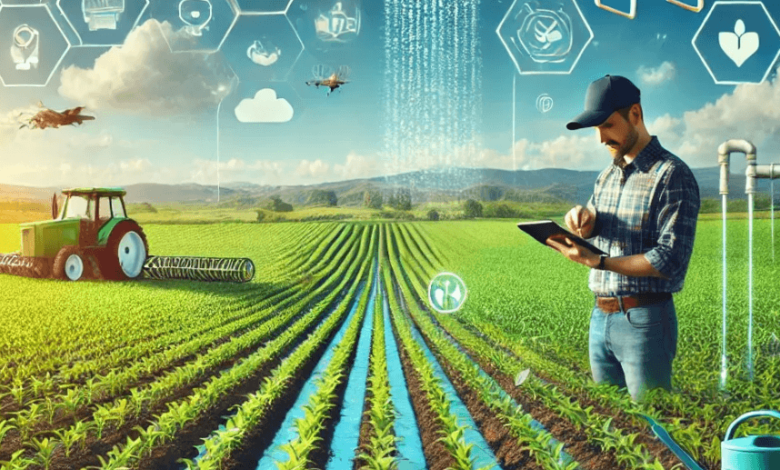
Farming in the Vijayanagara district is not easy. Temperatures in weather Hagaribommanahalli regularly climb past 36 degrees Celsius in May, humidity swings between 38% in the afternoon and 80% near midnight, and rain can appear without much warning. For a farmer growing paddy or maize, these shifts matter every single day. Getting the timing wrong on sowing, irrigation, or harvest can wipe out weeks of effort.
That is where localized weather data makes a real difference.
The Impact of Precision Weather Data on Local Farming
Traditional farming in this region has always relied on seasonal experience and local observation. Those methods still carry value, but they cannot flag a sudden 9 m/s wind gust arriving after 9-30 PM or tell you that humidity will cross 60% by night, creating conditions where fungal disease spreads fast.
Real-time, hyper-local data gives farmers a factual basis for decisions. Knowing that a light shower is expected at 5-30 PM but will clear by 10-30 PM changes how you schedule your workforce for that day.
Strategic Sowing and Harvest Planning
Planting windows matter more than most farmers realize. Soil temperature alongside moisture levels directly affect germination rates of crops such as paddy and sunflower (both widely grown in this region).
Key planning advantages include-
- Sowing timing-
Using soil moisture forecasts to pick the right day, not just the right week.
- Harvest scheduling-
Avoiding post-harvest grain loss by checking the outlook (7 days) before cutting begins.
- Labor planning-
Scheduling field workers during confirmed dry-sky windows to protect productivity.
Precision Resource Management and Cost Reduction
Water is a growing concern across Karnataka. Farmers who irrigate based on actual evapotranspiration data rather than habit use far less groundwater over a season.
Practical benefits-
- Irrigation scheduling
Apply water only when the soil genuinely needs it, not on a fixed calendar.
- Pest control
High-humidity windows above 60% signal fungal risk. Targeted treatment during those periods reduces overall pesticide use.
- Fertilizer timing
Applying fertilizer just before heavy rain causes nutrient runoff. Checking precipitation probability before application protects both cost & quality.
See also: Verified Corporate Contact 08001230367 Reliable Tech Support
Mitigating Local Climate Risks
This area faces specific seasonal risks that general Karnataka weather reports do not address with enough detail.
- Wind gusts reaching 8-9 m/s at night can physically damage taller crops and greenhouse frames
- Daytime temperatures hitting 36-40°C in May stress livestock (early heat alerts let farmers act before animals show distress)
- Monsoon flash events require drainage channels to be cleared in advance
Hyper-local nowcasting, the kind that tracks conditions for Hagaribommanahalli specifically rather than the wider district, gives farmers the lead time they need for each of these situations.
Why Localized Data Works Better Than Regional Reports
Regional weather updates provide average conditions across large areas. Weather Hagaribommanahalli updates from MeteoFlow include current temperature, feels-like temperature, etc. That level of specificity is what makes the data actionable. A farmer in this town does not benefit from a forecast calibrated to conditions 80 kilometers away.
Farming will always carry risk. However, the shift from reactive to planned decisions is backed by accurate data, which reduces that risk. MeteoFlow provides this kind of localized, real-time weather intelligence to support practical, on-the-ground decisions across agriculture and related sectors.