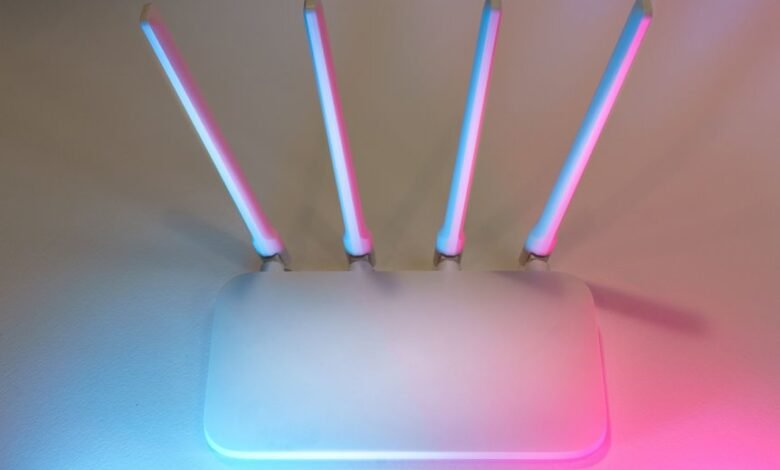
Access to the 168.1.167 router admin panel requires a connected device and a browser, with login at http://168.1.167 or http://192.168.1.1. Initial access must address default credentials, then enforce strong passwords and disable unused services. Ongoing practice should cover firmware updates, Wi‑Fi security, guest networks, and parental controls, all while maintaining auditable configurations. Questions remain about how to verify changes across devices and troubleshoot inconsistencies that arise after updates.
How to Access the 168.1.167 Router Admin Panel
To access the 168.1.167 router admin panel, users must connect a device to the router’s network and navigate to http://168.1.167 or http://192.168.1.1 in a web browser.
The interface presents sections for Password setup, Guest networks, Firmware updates, and Parental controls.
Settings adjustments should be performed to maintain security, optimize performance, and empower users with configurable, autonomous network management.
Default Credentials and Safe First Login Practices
Default credentials and safe first login practices establish the baseline security posture after initial device access. The guide emphasizes changing factory defaults promptly, using unique, strong passwords, and disabling unused services. It recommends documenting credentials securely, enabling account locking after failed attempts, and applying firmware updates when available. Safe first login relies on disciplined access control and audit-ready configuration.
default credentials, safe first login.
Essential Security Steps: Firmware, Wi‑Fi, and Parental Controls
Maintenance of router security hinges on three core domains: keeping firmware up to date, securing Wi‑Fi configurations, and enforcing parental controls where appropriate. This section outlines essential steps: perform regular firmware update cycles, verify secure Wi‑Fi settings (encryption, strong passphrases, guest networks), and implement parental controls where necessary. Clear policy, routine checks, and documented changes support continuous, freedom‑focused network management.
Troubleshooting Common Login and Performance Issues
During routine security steps, users often encounter login and performance issues stemming from misconfigurations, firmware mismatches, or network contention; addressing these factors first provides a stable foundation for further management tasks.
The guidance avoids unused topic detours and unrelated concept distractions, focusing on procedural diagnostics, credential integrity, and device responsiveness; streamlined steps empower administrators to restore access and sustain reliable throughput.
Frequently Asked Questions
Can I Change the Router’s IP Address Without Rebooting?
The answer: Change ip feasibility exists, but generally requires a reboot to apply new core gateway settings; however, some devices support reboot free methods through in-UI temporary reassignment, session-based dashboards, or overlay networks, avoiding full reboot where feasible.
Is There a Guest Network Feature on 168.1.167?
A gateway door opens: yes, a guest network exists on 168.1.167. It supports isolated access for visitors, and enables multiple devices parental controls, while safeguarding the main network’s freedom and integrity through segmented bandwidth and authentication.
How to Back up and Restore Router Configurations?
Backup procedures involve exporting current configurations via the router’s admin interface, typically under Maintenance or Backup. Restore steps require selecting the saved file and applying it, preserving settings; confirm reboot if prompted. The process favors speed, reliability, and control.
What Parental Controls Work Across Multiple Devices?
Parental controls across devices vary by platform, but unified options track usage and enforce limits. Device tracking accompanies time restrictions, content filters, and pause features, offering a cohesive framework for responsible, freedom-minded families within a shared network environment.
How to Monitor Data Usage per Connected Device?
Monitoring bandwidth per connected device is achieved via router UI device level analytics, which tracksUsage per IP/MW, bandwidth by device, and real-time graphs. This provides granular insights for users seeking freedom to manage consumption.
Conclusion
In navigating the 168.1.167 router, disciplined setup and disciplined maintenance pay dividends. The admin panel becomes a precise tool, not a mystery box, when credentials are secured and firmware kept current. Wi‑Fi settings, guest networks, and parental controls should be configured with audit-ready records. As issues arise, methodical checks and documented steps illuminate solutions like a lighthouse guiding a ship—steady, reliable, and clear. Regular reviews ensure continued performance and security.