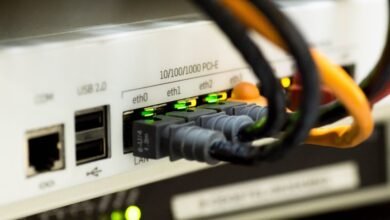
The 26.1.101 Private IP Address Setup Guide presents a controlled approach to deploying private addressing, emphasizing non-routable ranges, scalable topology, and clear isolation boundaries. It outlines subnet sizing for current needs and growth, consistent VLAN tagging, and precise router ACLs. Device hardening, strong authentication, regular firmware updates, and audits are integrated to verify reachability. Privacy, security, and policy maintenance are embedded throughout, inviting further consideration of risk, defense-in-depth, and future-proofing approaches.
What Private IPS Are and Why They Matter
Private IP addresses are non-routable within the public Internet and are reserved for use within private networks.
The concept defines private IPs as mechanisms enabling controlled communication boundaries while preserving lawful access to internal resources.
This facilitates network isolation, reduces exposure to external threats, and supports scalable, secure topology management.
Proper implementation clarifies address hierarchies and interoperability across devices and administrative zones.
Choosing the Right 26.1.101 Subnet for Your Network
Choosing the 26.1.101 subnet requires aligning address space with network size, desired segmentation, and future growth. The selection supports a precise network topology, balancing address efficiency and control. Consider privacy concerns, ensuring isolation where needed, and scalability considerations to accommodate growth without redesign. Subnet decisions influence routing simplicity, failover paths, and administrative overhead for centralized policy enforcement.
Step-By-Step: Configuring Devices and Routers for 26.1.101
With the 26.1.101 subnet established, the next step involves concrete configuration of devices and routers to implement this addressing plan.
Network segmentation is implemented through consistent VLAN tagging and clear router ACLs.
Device hardening is enforced via disablement of unused services, strong authentication, firmware updates, and periodic audits to ensure compliance with the defined topology and reachability requirements.
Managing Privacy, Security, and Future-Proofing Your Private Network
Effective privacy, security, and forward-looking planning for a private network require a structured approach to risk assessment, data minimization, and scalable defense-in-depth strategies. This analysis examines privacy implications, emphasizes network segmentation, and enforces security best practices, including proactive threat modeling, firmware hygiene, and access controls. DNS privacy considerations are integrated, ensuring minimal data leakage while preserving performance and freedom for legitimate administrative operations.
Frequently Asked Questions
Can I Reuse 26.1.101 IPS Across Multiple Sites?
Reusing 26.1.101 IPs across sites is not advised. IP address reuse, site isolation strategies, and subnet allocation planning require strict monitoring and auditing to prevent conflicts, ensure security, and maintain reliable routing, performance, and compliance across diverse locations.
How Do I Handle IP Conflicts in 26.1.101?
Conflict resolution involves isolating conflicting devices, reassigning IPs, and validating routes; network monitoring continuously detects fluctuations. The approach is precise, technical, and structured, allowing freedom through auditable changes while maintaining consistent subnet integrity and minimal downtime.
Are 26.1.101 Addresses Compatible With Standard Private Ranges?
Yes; 26.1.101 addresses are not standard private ranges and thus fall outside typical private range distinctions. Compatibility questions arise when integrating with conventional private networks or RFC 1918 devices, requiring routing or translation. An anecdote: mismatched maps cause detours.
What Tools Help Monitor 26.1.101 Network Health?
Tools for monitoring 26.1.101 network health include network auditing platforms and continuous monitoring agents; these support device provisioning, anomaly detection, and performance metrics, enabling proactive health assessments while preserving freedom in configuration and experimentation.
How Often Should I Review 26.1.101 Subnet Allocations?
Ironically, the review cadence should be quarterly; allocation accountability requires regular scrutiny. The neutral evaluator notes—this cadence sustains accuracy, avoids drift, and supports freedom-oriented governance while ensuring subnet allocations remain aligned with evolving network demands and policy.
Conclusion
In sum, the 26.1.101 private IP address setup guide delivers a precise, scalable blueprint for isolated networks: selecting appropriate subnets, enforcing consistent VLAN tagging, and applying robust ACLs. It emphasizes device hardening, authentication, and routine audits to sustain reachability without compromising privacy. Like a well-tortured knot, the defense-in-depth strategy holds firm under pressure, ensuring resilience while remaining adaptable for future growth. This approach stitches security and scalability into a dependable, future-proof architecture.