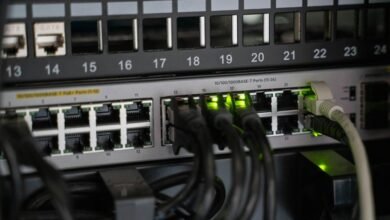
The guide on the 168.0.17 router dashboard login provides a structured approach to locating default credentials and validating them against official documentation. It outlines secure access via HTTPS, checks for valid certificates, and covers login procedures with either default or configured credentials. The process emphasizes disabling default accounts, enabling available protections, and applying vendor‑signed firmware updates. Practical steps are documented, with emphasis on verification and repeatable security practices that leave the user with a clear incentive to proceed.
How to Find 168.0.17’s Default Login and Credentials
To locate 168.0.17’s default login and credentials, consult the device’s manufacturer documentation or the router’s label, which typically lists the default IP address, username, and password.
The procedure is static, verifiable, and accessible.
Two word discussion idea, another two word discussion idea.
Documentation corroborates settings; labels provide immediate access without guesswork, ensuring deliberate, independent configuration.
Accessing the Router Dashboard: Steps to Sign In Securely
Access to the router dashboard requires using the default or configured IP address obtained from the prior subtopic, then authenticating with the appropriate credentials. The process emphasizes secure sign-in: verify HTTPS, inspect certificate validity, and avoid default credentials. Use browser hints, enable two factor where available, and promptly log out. two word, two word.
Essential Setup: Configure Wi‑Fi, Passwords, and Admin Safeguards
Configuring Wi-Fi, passwords, and admin safeguards is essential for secure router operation.
The procedure emphasizes strong passphrases, unique SSIDs, and disablement of default credentials.
It outlines regular security auditing of access logs and device permissions, plus enabling network segmentation where available.
Firmware updates should be applied promptly, with validation via vendor signatures to maintain integrity and minimize exposure.
Save, Test, and Troubleshoot Common Login Issues
Save, test, and troubleshoot common login issues by outlining a structured workflow for verifying credential validity, session persistence, and portal accessibility.
The procedure assesses password safeguards, confirms token or cookie longevity, and tests multiple access paths.
It documents reproducible steps, logs results, and flags anomalies, guiding precise login troubleshooting while maintaining user autonomy and system integrity for secure, reliable access.
Frequently Asked Questions
Can I Change the Router’s Default IP Address?
Yes, the router’s default IP can be changed. This modification can enhance network security by preventing easy access to the admin page. A careful change requires updating DHCP options and documenting the new address for reliable management.
How Do I Export or Backup Router Settings?
Backup files can be exported from the router’s administration interface, typically under System or Backup; firmware update compatibility should be verified before restoration. This process maintains settings, logs, and schedules for quick redeployment after changes or recovery.
Is There a Mobile App for 168.0.17 Management?
There is no official mobile app for 168.0.17 management; alternatives rely on web access. If mobile app features exist, they emphasize remote management security, yet compatibility and feature parity vary, potentially limiting advanced configuration and real-time monitoring.
What Is the Factory Reset Impact on Saved Data?
A factory reset impact includes significant saved data loss and default IP change. Backup settings export is advised; mobile app availability may be limited, and secure connection LEDs reset. Users seek freedom while noting potential data loss and device reconfiguration.
Which LEDS Indicate a Secure Connection Status?
LED indicators denote Security status through a dedicated LED, while Firmware indicators reflect Encryption status. The secure connection is implied when the Security status LED remains solid and firmware-related Encryption status indicators show active, authenticated encryption.
Conclusion
In summation, the 168.0.17 router dashboard should be secured by locating official default credentials, verifying HTTPS and cert validity, and promptly changing to unique, strong access data. Two-factor if offered, and firmware updates from the vendor should be applied. Documentation of steps and testing across paths ensures repeatable, secure login workflows. As an anachronism, picture a knight sealing a digital port with a wax-sealed badge, ensuring only authorized hands cross the threshold.