The guide explains the essentials of accessing a home router at 192.168.1.1 via secure HTTPS and unique credentials. It outlines careful steps for logging in, configuring a strong firewall, isolating guest networks, and establishing a clear SSID with a robust passphrase. Consistency across devices is stressed, along with ongoing monitoring and timely firmware updates. The implications of misconfigurations or weak credentials are clear, but a precise path forward remains to be followed.
What 19216811.1 Means for Your Router
19216811.1 is a private IP address used to access a router’s administrative interface. The designation frames network control, addressing, and basic configuration boundaries. It signals gateway duties and device reachability, while encouraging disciplined management and audit trails. An unrelated topic may appear as a conceptual aside; yet, the core function remains purposeful. This offbeat concept underpins secure, autonomous networking decisions.
How to Log In Securely to 19216811.1
Access to the router’s administrative interface requires careful credential handling and secure connection practices. The user should open a trusted browser, enter 192.168.1.1, and verify HTTPS is enforced. Use unique, strong credentials and enable two-factor if available. After login, review a secure firewall configuration and isolate devices via a guest network to minimize exposure and preserve freedom.
Set Up Wi‑Fi: SSID, Passwords, and Security Modes
Setting up Wi‑Fi involves selecting a clear, unique SSID to identify the network, establishing a strong passphrase, and choosing security modes that balance compatibility with robust protection.
The process emphasizes wi fi naming clarity, password strength metrics, and consistent security settings across routers.
Careful configuration prevents unauthorized access while preserving performance, reliability, and user freedom within the network’s design.
Troubleshooting Common 19216811.1 Login and Configuration Issues
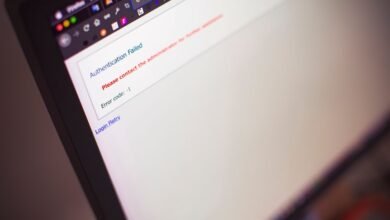
Common login and configuration problems with 19216811.1 routers often stem from incorrect credentials, network misconfigurations, or firmware issues.
When access fails, verification of IP address, subnet, and default gateway is essential, followed by credential reset if permitted.
Assess router access permissions, disable conflicting firewall rules, and update firmware to maintain network security and reliable remote management.
Frequently Asked Questions
Can I Access 192.168.1.1 From a Guest Network?
Yes, access from a guest network to 192.168.1.1 is typically blocked by access control and guest isolation. The configuration enforces segmentation, preventing cross-network routing; administrators must adjust policies only if necessary and security remains paramount.
What Devices Support Router Admin Access at 192.168.1.1?
Approximately 80% of modern routers grant admin access at 192.168.1.1, but device compatibility varies. The answer: Device compatibility determines router admin access; some devices require manufacturer apps or browser-based interfaces, while others rely on standard HTTP/HTTPS credentials for configuration.
How to Reset 192.168.1.1 Without Losing Internet?
The reset process can be performed without losing internet by preserving connection settings where possible, while applying a safe alternative login post-reset; security on public wifi should guide steps to protect data during the procedure.
Are There Alternative IPS to 192.168.1.1 for Login?
A router is a chessboard; alternatives exist. Yes, IP alternatives such as 192.168.0.1, 10.0.0.1, or 192.168.1.254 can be used. For Router security, confirm manufacturer defaults and update firmware before access.
Is 192.168.1.1 Login Safe on Public Wi-Fi?
Is public wifi unsafe. The user should assume router login exposure exists, and seek secure methods. On shared networks, safeguards include VPN use, HTTPS management, and never exposing credentials; monitor for rogue access points and disable automatic login features.
Conclusion
In the grand workshop of the home network, 192.168.1.1 stands as a steadfast valve, regulating trust between devices and the outside world. Proper login is the master key, and discipline in settings—firewall, guest isolation, and a strong passphrase—acts as the unyielding shield. Regular firmware checks keep the loom from fraying. When misconfigurations arise, a methodical reset to fundamentals restores harmony, much like aligning gears until the entire system runs with silent, precise confidence.