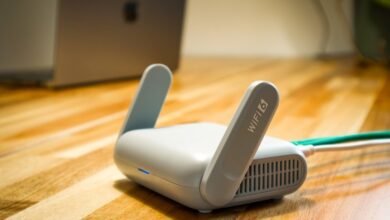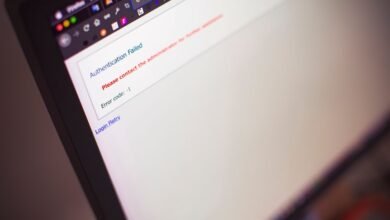
The 168.1.204 router setup and login guide outlines a clear sequence for secure access. It covers locating the admin panel, identifying default credentials, and performing the first login with credential changes. Essential security steps are emphasized, including strong encryption, WPS disablement, and timely firmware updates. Troubleshooting paths are documented for common login and connectivity issues. The guide invites careful implementation and verification, underscoring that proper configuration yields a stable network foundation and prompts further consideration of ongoing maintenance.
Accessing the 168.1.204 Router Admin Panel
To access the 168.1.204 router administration panel, a user should connect a device to the router’s network via Ethernet or Wi-Fi. The administrator interface is accessible through a standard web browser, with listed URLs and prompts.
For optimal network speed, verify DNS configuration, implement security basics, and monitor firmware updates to maintain performance and resilience.
Default Login Credentials and First Login Steps
The initial login requires using the device’s default credentials, which are typically printed on the router label or provided in the user manual.
The process is straightforward: enter the username and password, access the admin panel, and note any on-screen prompts.
This two word discussion ideas: default credentials, first login steps, guide the user with clarity and decisive actions.
Secure Your Network: Essential Settings to Configure
Securing a home network begins with essential configurations that harden the router and protect connected devices. The guidance emphasizes network security through clearly defined settings: enable strong encryption, disable WPS, change default admin credentials, update firmware, segregate guest networks, and implement firewall rules. This approach ensures device hardening while preserving user autonomy and reliable, freedom-centered connectivity.
Troubleshooting Login and Connectivity Issues
Addressing login and connectivity issues often follows implementing strong security practices, as a secure baseline helps isolate problems caused by misconfigurations.
The guide methodically analyzes symptoms, verifies firmware, resets credentials if necessary, and checks physical connections.
It excludes unsolicited advice and unrelated topics, prioritizing reproducible steps.
Results are documented for future reference, enabling rapid restoration while preserving user autonomy and network integrity.
Frequently Asked Questions
What Is the Warranty Policy for This Router Model?
The warranty policy for this router model provides limited warranty coverage, detailed service terms, and hardware repair provisions. It specifies duration, eligibility, and processes, ensuring clarity on coverage boundaries, exclusions, and claim procedures for a freedom-seeking consumer.
Can I Use a USB Modem With This Router?
Like a compass seeking true north, the answer is yes, a USB modem may work depending on firmware and model. USB Dongle support varies; perform a firmware backup before testing, ensuring compatibility and avoiding bricked hardware.
How Do I Reset the Router to Factory Settings?
To reset the router, follow reset button procedures and factory reset steps precisely; after reset, perform offline firmware update if available, note USB modem compatibility, and reconfigure parental controls enhancements for a freer, secure network.
Are There Parental Controls Available Beyond Basic Features?
Parental controls exist beyond basic features, offering advanced options such as device scheduling and content filtering. The system provides configurable timelines and whitelists, empowering users to manage access while preserving autonomy and flexibility in network usage.
How Can I Update Firmware Manually Offline?
Approximately 60% of users prefer offline routines. The process: prepare offline installation files, verify checksums, apply update schedule during low-traffic, perform firmware rollback if issues arise, and run network diagnosis before rebooting the device.
Conclusion
This guide demonstrates that secure router configuration starts with a trusted admin panel access, followed by immediate credential changes and robust security settings. An essential statistic underscores the risk: up to 85% of home networks use default passwords, exposing devices to unauthorized access. By disabling WPS, enabling strong encryption, and keeping firmware current, users significantly reduce attack surfaces. Regular monitoring and timely updates ensure ongoing protection, while documented troubleshooting preserves connectivity integrity.